Lightning Ridge does not run to a tidy calendar. Shafts go down, drives are pushed out through the clay, wash is hoisted and sorted, and most of it comes up with nothing in it. That is the ordinary business of opal mining, and it shapes everything that eventually lands on a dealer's tray. This season the field has felt quieter than the trade would like, and buyers are already asking the obvious question: if less is coming out of the ground, what happens to the price of the stone in front of me?
The Shape of a Season on the Ridge
Opal mining in north-western New South Wales is weather-driven in a way that surprises people who picture mining as an industrial process. Summer heat is punishing, and the black soil and gravel roads into the outlying fields can turn impassable after rain. Many miners front-load their work into the cooler months, sinking shafts and running drives when the ground and the temperature allow it.
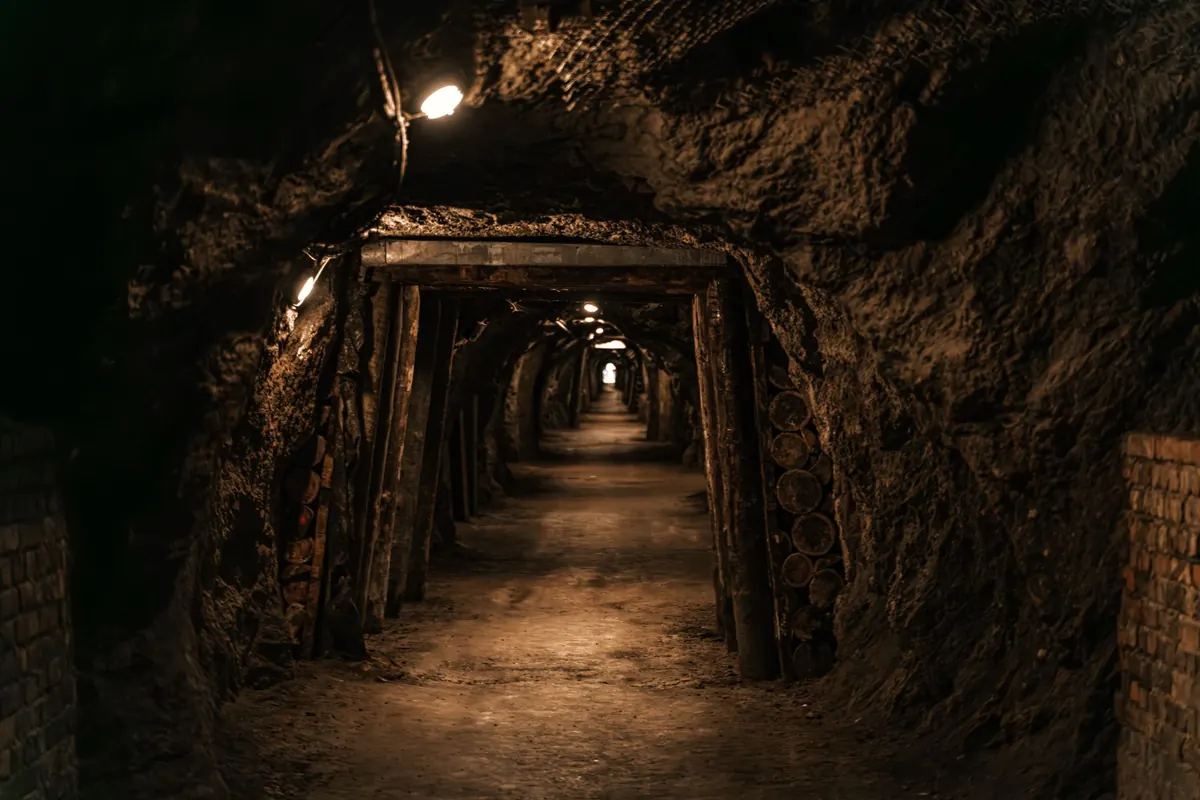
Underground, conditions are steadier — a shaft of any depth sits at a fairly constant temperature — but everything around it is seasonal. Getting gear in, getting wash out, and running machinery all depend on the surface being workable. A wet patch can shut a claim for weeks. That is why the field's output never arrives in a smooth monthly flow.
What actually comes out of the ground
Most of it is potch: common opal with no play of colour, or nothing at all. The material that matters commercially falls into a few rough groups. Black opal and dark opal, where the colour sits against a naturally dark body tone. Crystal opal, which is translucent and can be dazzling but has a lighter background. And the broader commercial grades — white opal, matrix, and the opalised shells and wood that come from other fields.
The rarity is not marketing. It is built into the geology. A miner can work a claim for months and recover a handful of cutters worth setting. Large, bright black opal with a genuinely dark body tone is the rarest of the lot, and that is the material the market tightens around first.
Why a Slow Season Doesn't Hit Prices Straight Away
New buyers often assume that a quiet season translates into an instant price rise at the counter. It rarely works that way. There is a long pipeline between the shaft and the shop window: miner, rough dealer, cutter, polisher, wholesale, retailer. Every step holds stock, and every step has its own reasons to sit on it.
Cutters work through parcels bought months earlier, so their cost base lags the field. Dealers who sense a soft market may hold good stones back rather than discount them, waiting for demand to return. Retail stock already on the shelf was bought at older prices. The result is a delay of a season or more between a slow mining period and the prices customers actually see. By the time the squeeze reaches the counter, the conversation has usually moved on.
There is a counterweight, too. Scarcity pushes prices up; weak consumer confidence pulls them down. When both are happening at once, the market can look flat on the surface while quietly sorting itself underneath, with the best stones firm and the rest drifting.
What Is Genuinely Tight, and What Is Not
Not all opal is scarce, and treating it as one market is where buyers get caught. The material that is genuinely difficult to replace looks like this:
- Large, bright black opal with a dark body tone, in popular calibrated sizes for rings and pendants.
- Matched pairs and suites — two stones of near-identical colour, pattern and brightness for earrings, or enough for a necklace.
- Clean crystal opal with strong, stable colour and no sand or fractures through the face.
- Good cutting rough, the kind a cutter can turn into a well-shaped stone without losing half the colour.
What is not tight: commercial-grade white opal, matrix material by the kilo, and the flood of doublets, triplets and lab-made imitations that fill the lower end of the market. None of that becomes rare because a season is slow. If a seller is using scarcity talk to move a triplet, walk away.
How Scarcity Filters Through to the Counter
If you want to understand where prices are heading, follow the sequence rather than the headlines.
- The miner's parcel price firms first, because rough buyers compete for a shrinking supply.
- Rough dealers adjust their asking prices, especially on stones with strong colour and size.
- Cutters face a higher cost per finished carat, made worse by yield loss — a lot of rough surrenders much of its weight to get a clean face.
- Wholesale and retail follow, but only as old stock sells through and is replaced.
That last step is the one buyers can use. Old stock bought at earlier prices can still be sitting in cases, and a good dealer will tell you which stones have been held and which are new arrivals. It is a perfectly reasonable question to ask.
What This Means If You Are Buying
Practical decisions matter more than forecasts. A few things are worth doing regardless of how the field is performing.
- Buy the stone, not the story. Judge colour, brightness, pattern, body tone, size and cut together. A scarcity narrative cannot rescue a dull stone.
- Ask what you are looking at. Solid opal, doublet or triplet? Australian opal is generally untreated, so any treatment or backing should be declared plainly.
- View it properly. Look at the stone in daylight and in shade. Opal that sings under a jeweller's lamp can go quiet outdoors.
- Get it in writing. A written description of the stone and a clear returns policy protect you far better than a verbal promise.
- Consider crystal opal. If black opal has moved past your budget, a fine crystal stone offers serious colour for less, though it will not have the same dark background.
- Do not buy as a short-term investment. Opal is thinly traded and slow to sell. Buy it because you want to wear it.
For a purchase of real value, an independent valuation and a specialist insurer are worth the cost, and it is sensible to take professional advice rather than rely on a single seller's opinion.
A Practical Bottom Line for Buyers
Slower output at Lightning Ridge is real, and it will keep firm pressure under the top end of the market for some time. It does not mean you should rush. Good stones are still available, and the lag between the field and the counter gives patient buyers a window.
The better approach is to build a relationship with one or two dealers who will show you stones honestly, save for one excellent piece rather than scatter money across several ordinary ones, and learn to compare in daylight before you commit. Understand how the supply chain works, ask the awkward questions, and let scarcity inform your timing rather than dictate it. That is how you buy well in a tight season.
Photo: judithscharnowski / Pixabay